Introduction
With their brightly colored fur, charming personalities, and velvety soft coats of fur, foxes have long captivated humans. While ancient cultures once revered these small members of the canine family as otherworldly spirits, they gained notoriety in modern times for their aforementioned pelts, which were used to tailor a variety of winter garments and are still considered a luxury textile to this day.
In recent years, foxes have been the highlight of many online discussions due to their newfound purpose as both livestock slaughtered for their fur, and exotic pets kept for companionship. But are they simply wild animals, or something more?
History of Farm Foxes
While trappers and hunters in the late 1800’s diligently worked their trade, a new method of procuring precious furs would eventually arrive in the first years of the 1900’s: farming. Red foxes (Vulpes vulpes) were procured from Prince Edwards Island[1], a small province off the Canadian coast. They were then contained in pens, and selectively bred to encourage docility and tameness; a trait which the founding population of foxes from Prince Edwards Island already had begun exhibiting due to their close proximity to human towns[2]. To this day, they fill a niche not unlike that of the village dogs from India and the Middle East, running amok in neighborhoods and feeding from the scraps humans leave for them, visiting gardens and boldly tolerating our presence in a fashion unlike that of other, more fearful and shy North American fox populations.
These factors made the Prince Edwards Island foxes an ideal founding stock for early fur farmers, and therefore these foxes adapted extremely quickly to life in captivity. While efforts had been made in the past to capture and breed wild red foxes, they were ultimately met with failure due to their inability to successfully mate or raise young due to stress. The residents of Prince Edwards Islands likely had their breakthrough success due to the fact their foundation stock were already more tolerant to human activity and contained inhibited fear responses to us in the first place.
As a result of breeding these animals as livestock, farmers inevitably bred for the most valuable traits- not only docility and tameness, as stated above, but coat color, fur density, and larger size as well. All of these created a unique fox gene pool unlike any seen before, easily differentiated from their wild counterparts.[3]

A dawn glow fox, a rare color mutation only possible in farm foxes.
Understanding Domestication
Domestication is a poorly understood process with no scientific consensus for the definition[4]. Depending on who you ask, it can be anything from a long-term process of humans selectively breeding an animal that takes millions of years to achieve, as it is with dogs, to simply the short termer act of intentionally breeding a captive population of animal for human gain, which is the case with most domesticated animals, including honeybees and all livestock.
To make matters even more utterly confusing, the definitions of domestication most commonly accepted cannot be applied to most species. Do domesticated animals have to be docile enough to enjoy life in our houses? If so, that excludes all livestock, and even some breeds of livestock guardian dogs. Must all domesticated animals be incapable of surviving in the wild without human care? Do they need to look different from their wild ancestors? By this definition, the common housecat would be excluded, as they are virtually indistinguishable from European and African wildcats in both appearance and behavior. Or maybe, all domesticated animals simply need not have the instincts of a wild animal? Such an idea is silly when you consider the hunting prowess of cats, or the high prey drive many dogs exhibit with their love for chasing squirrels or biting toys made to mimic the high-pitched sounds of injured animals.

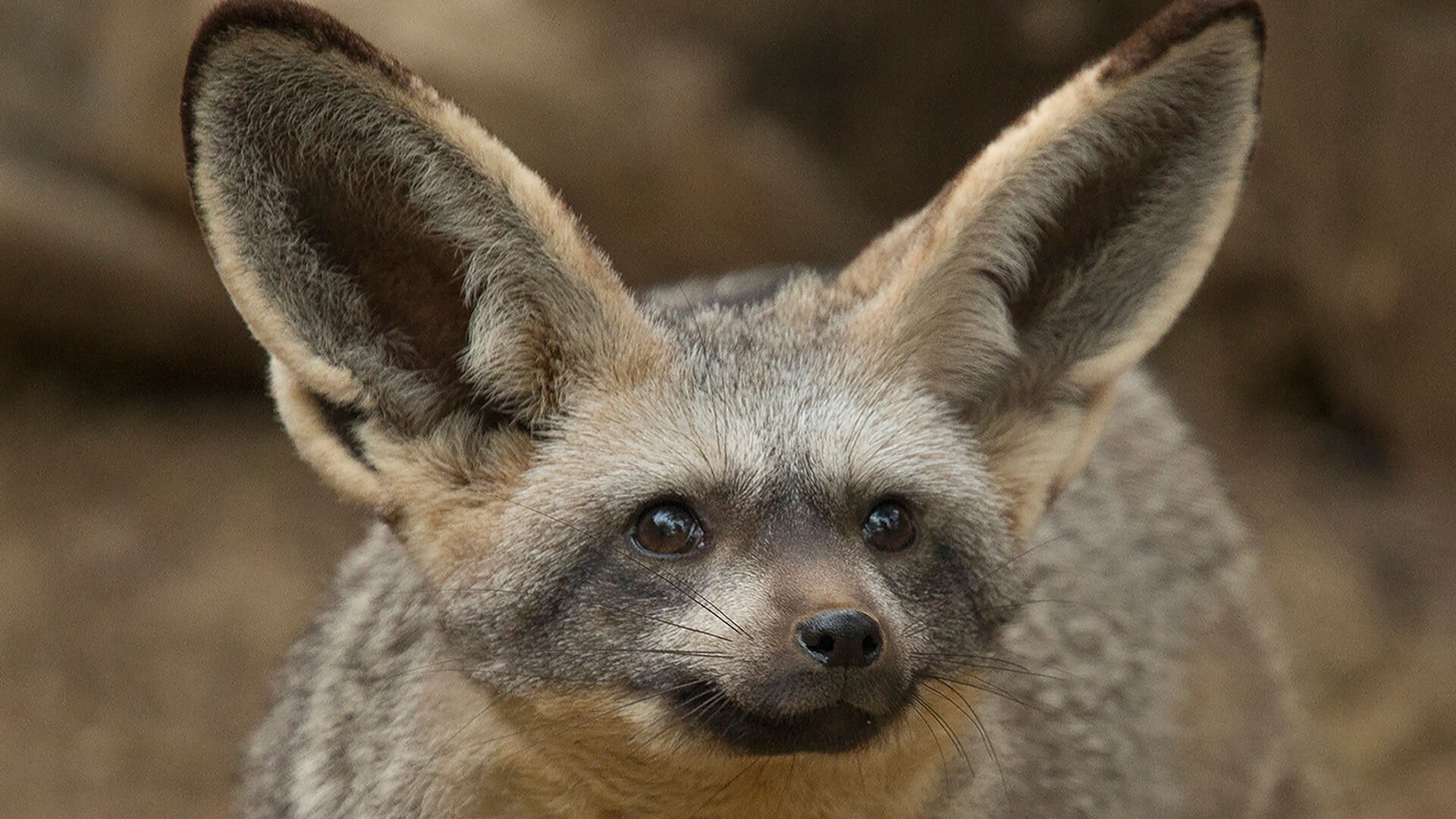
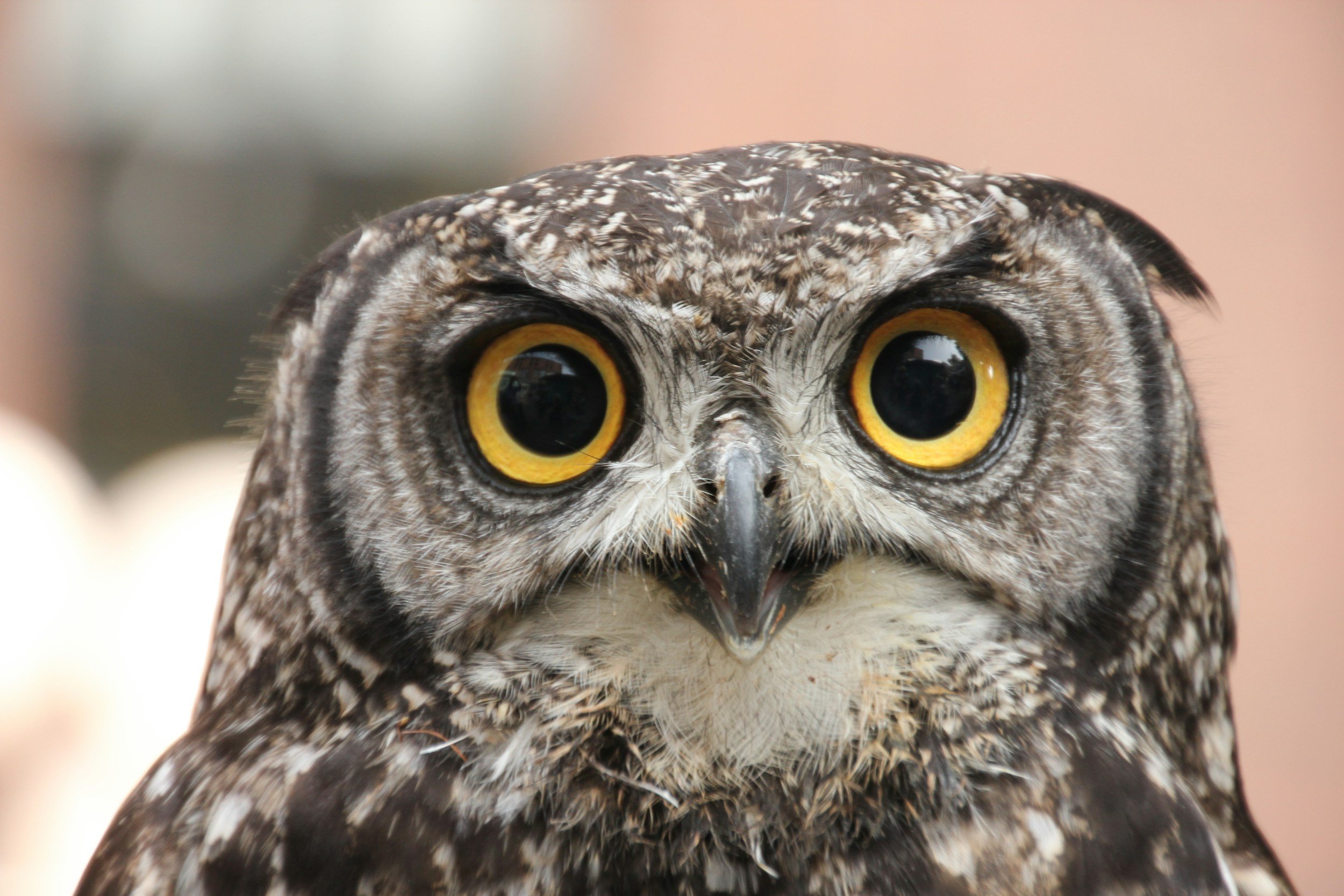
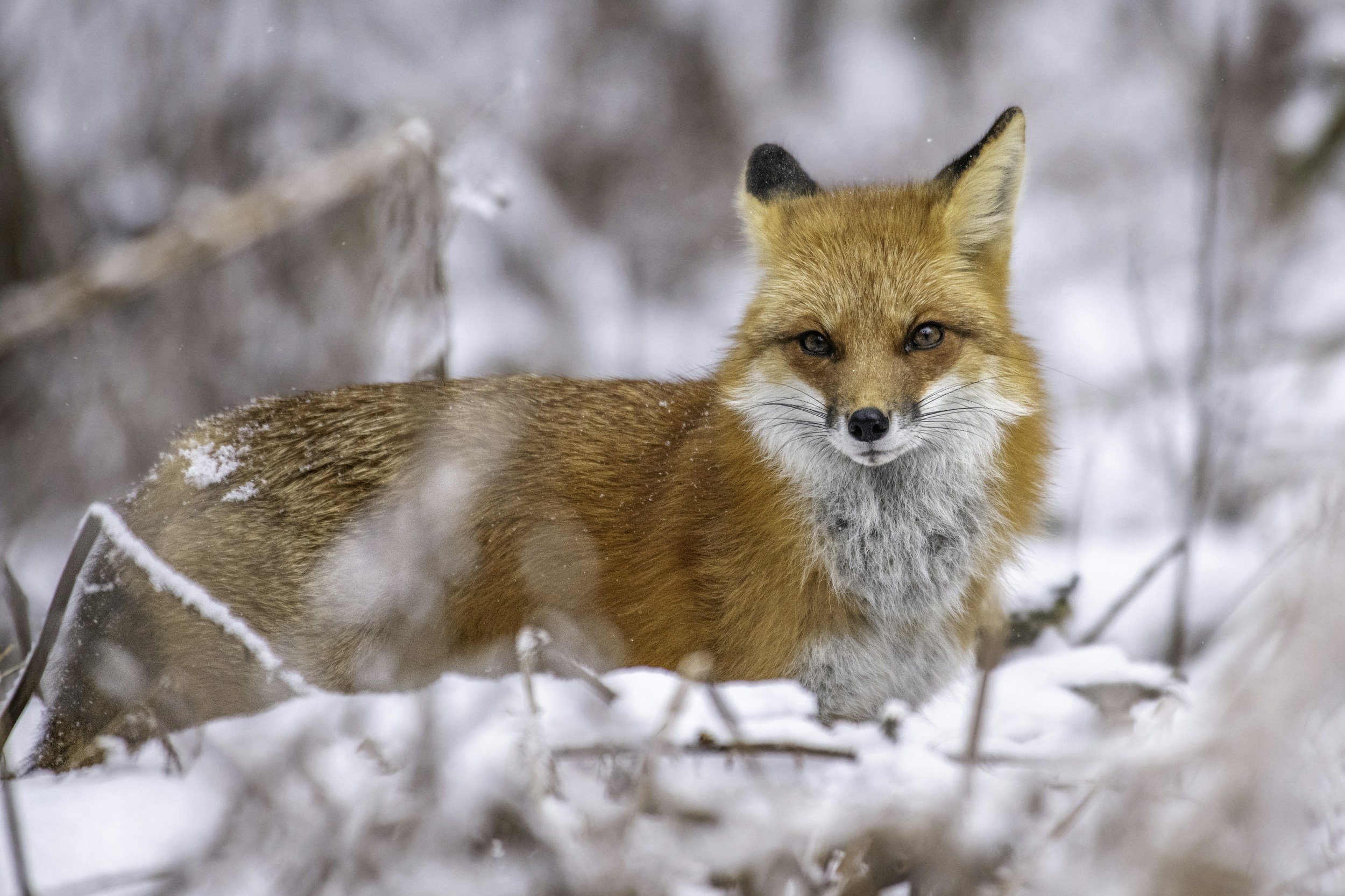
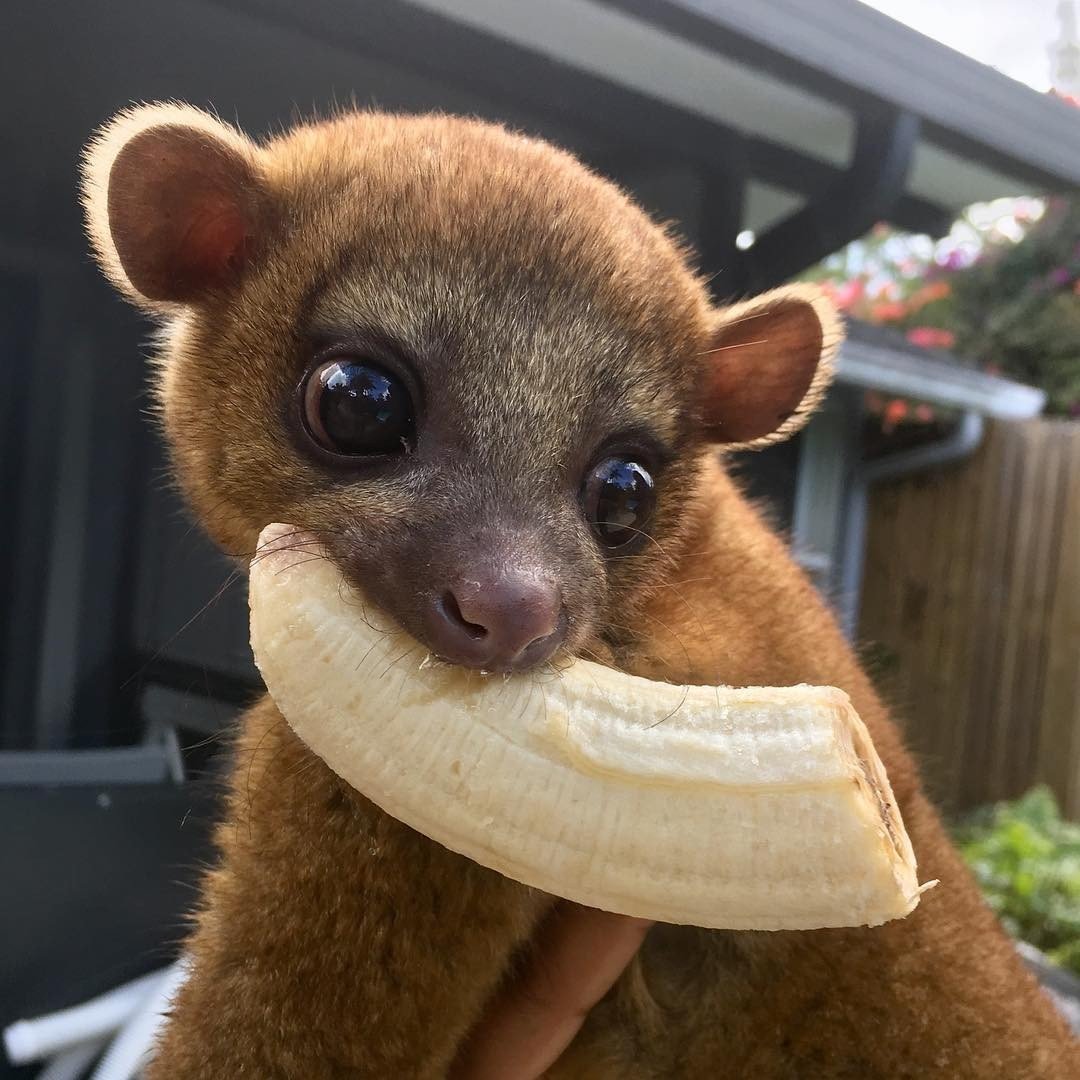
Domestic cats are virtually indistinguishable from many species of small felines. Can you guess which of these photos is a wild animal?
The only consistent truth and similarity shared with every domesticated animal is the following: they are selectively bred by humans, for a purpose that benefits us. And in the case of farm foxes, this purpose was mainly an agricultural pursuit; the US government even labels them as domestic livestock on a federal level[5]. How can this be, if many of our own scientists refuse to even accept them as domesticates?
The Politics of Scientific Integrity
When one considers the information presented, it becomes obvious that by any worthwhile and scientifically consistent definition of the word, that the foxes kept and bred in captivity which have lineages derived from fur farms are undoubtedly domesticated. Not only have they become morphologically distinct from their wild counterparts[6], more docile, and resistant to the stresses of captivity[7]; they have been bred for a purpose. Yet in most states in the United States of America, it is illegal to own any species of fox as a pet. They are labeled as “wild”, “injurious”, or “dangerous” exotic animals by lawmakers, and owning one illegally will incur hefty fines, possible jail time, and the forcible seizure (and often times, euthanasia) of your beloved pet. The fact such laws can exist in contradiction to the US Code protecting them as domesticates, and the captive breeding of them an agricultural pursuit, is simply disingenuous. After all, if foxes presented any modicum of risk to public safety or the environment, then the attention of legislators would be better spent on fur farms where these animals live in squalid conditions, caged by the thousands[8], and not on simple citizens wanting to provide for and love them as pets.
Sources
[1] Ben. I. Rayner, J. Walter Jones, Domestication of the Fox, Journal of Heredity, Volume 3, Issue 1, First Quarter 1912, Pages 37–45,
[2] Lambe, Hailey J.. “Movement patterns, home range and den site selection of urban red foxes (Vulpes vulpes) on Prince Edward Island, Canada.” (2016).
[3] Zatoń-Dobrowolska, Magdalena & Moska, Magdalena & Mucha, Anna & Wierzbicki, Heliodor & Przysiecki, Piotr & Dobrowolski, Maciej. (2016). Variation in fur farm and wild populations of the red fox, Vulpes vulpes (Carnivora: Canidae). Part I: Morphometry. Canadian Journal of Animal Science. 96. 10.1139/CJAS-2016-0026.
[4] Lord, Kathryn & Larson, Greger & Coppinger, Raymond & Karlsson, Elinor. (2019). The History of Farm Foxes Undermines the Animal Domestication Syndrome. Trends in Ecology & Evolution. 35. 10.1016/j.tree.2019.10.011.
[5] 7 U.S. Code § 399 – Domestic raising of fur-bearing animals; classification
[6] HORECKA, BEATA; KASPEREK, KORNEL; JEZEWSKA-WITKOWSKA, GRAZYNA; SLASKA, BRYGIDA; ROZEMPOLSKA-RUCINSKA, IWONA; GRYZINSKA, MAGDALENA; and JAKUBCZAK, ANDRZEJ (2017) “High genetic distinctiveness of wild and farm fox (Vulpes vulpes L.)populations in Poland: evidence from mitochondrial DNA analysis,” Turkish Journal of Zoology: Vol. 41: No. 5, Article 3
[7] O’REGAN, H.J. and KITCHENER, A.C. (2005), The effects of captivity on the morphology of captive, domesticated and feral mammals. Mammal Review, 35: 215-230
[8] EXPOSED: Undercover investigation at fur farm shows the lives behind the label | The Humane Society of the United States
This content is accurate and true to the best of the author’s knowledge and is not meant to substitute for formal and individualized advice from a qualified professional.